





 Open Field
 Commercial Fertigation Network
200-hectare drip fertigation with multi-zone EC/pH management. Stable nutrient delivery across variable field conditions.
View case studyManaging an open field means dealing with distance, variability, and changing climate conditions. Farmnet delivers field-scale management systems that coordinate irrigation, fertigation, and monitoring so crops receive what they need—when and where they need it.
facing the challenges of open field management
Open fields introduce complexity that fixed schedules can't manage. Soils vary within the same farm. Pressure and flow shift over long distances. Weather-driven demand changes daily. When irrigation and fertigation run on assumptions instead of real data, resources reach the wrong place at the wrong time, and crop response becomes unpredictable.
Talk to an EngineerSoil composition, slope, and organic matter shift constantly across a single field. Running a uniform irrigation schedule ignores this reality—over-watering heavy zones while starving sandy patches. The result is an uneven crop stand and yield gaps that fixed timers can't see or fix.
Pressure and flow degrade naturally across long pipe runs and elevation changes. Without real-time hydraulic data, emitters at the far end under-deliver while the near end floods. Manual pressure adjustments can't compensate for this dynamic loss, creating chronic uniformity issues.
Evapotranspiration rates change hourly with cloud cover, wind, and temperature. When irrigation is scheduled days in advance, it misses peak crop demand or applies water right before a rain event. The crop endures unnecessary stress while resources are wasted on reactive drainage.
When water and nutrients are injected separately, they don't always arrive together in the root zone. Without coordinated delivery, nutrients can be leached below the root zone by a previous irrigation cycle, or left stranded in dry soil where roots can't access them.
Our approach includes
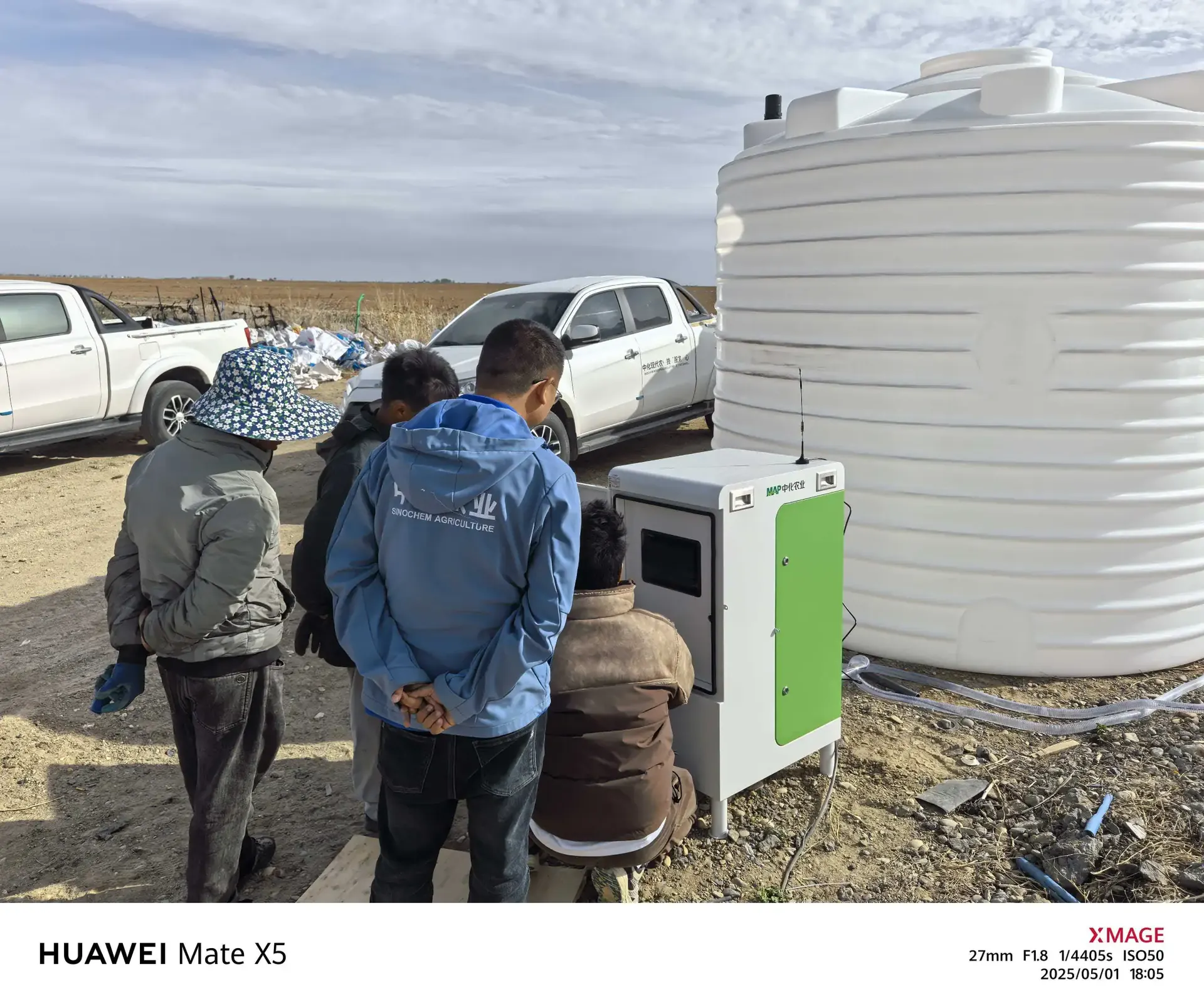
Farmnet open field systems manage irrigation, nutrition, sensing, and hydraulic performance as one coordinated process where real-time data directly drives field decisions instead of fixed schedules.
Centralized, two-wire, or long-range wireless valve control adapted to field topology and infrastructure scale.
Fertilizer injection synchronized with irrigation flow for accurate and uniform nutrient application.
Soil moisture and water availability continuously guiding irrigation and fertigation timing.
Weather data and evapotranspiration models aligning water supply with real crop demand.
Flow and pressure monitoring maintaining uniform distribution across long field distances.
Continuous system feedback with alerts when conditions deviate from operational targets.
how it works
Each Farmnet field project is built from integrated systems. Explore the core components that make the operation work as one.
Centralized irrigation control using wired, two-wire, or long-range wireless networks.
Explore SolutionsField-adapted fertilizer injection delivering accurate nutrition across large flows.
Explore SolutionsSoil moisture, weather, and evapotranspiration driving irrigation decisions.
Explore SolutionsOne interface for monitoring, alarms, automation, and performance tracking.
Explore Solutionsour projects
From water treatment to greenhouses, indoor farms, and open-field operations, each project is engineered so every layer of the system works in concert—ensuring stable growing conditions, precise resource delivery, and long-term crop success.
Open Field 200-hectare drip fertigation with multi-zone EC/pH management. Stable nutrient delivery across variable field conditions.
View case study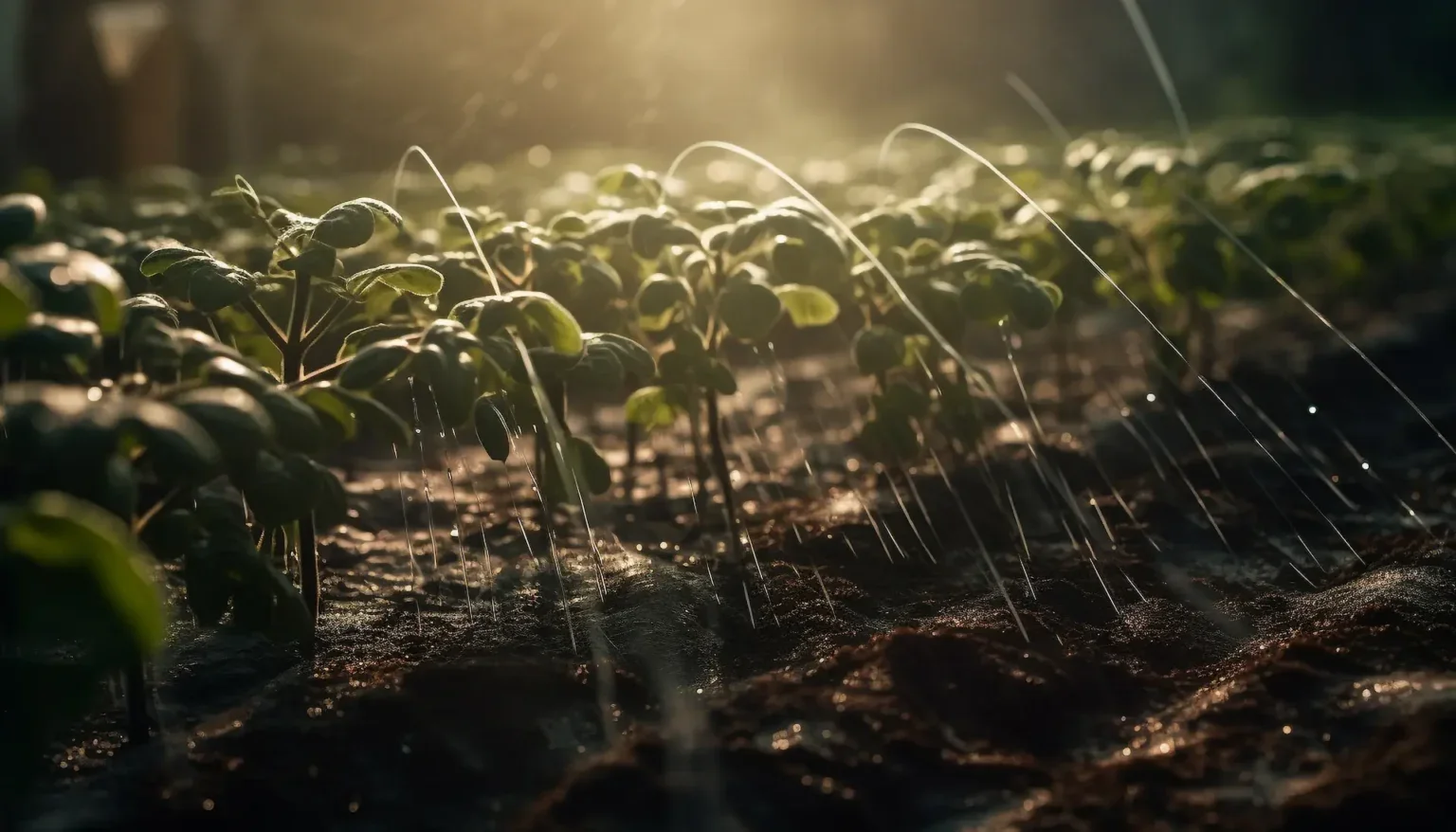 Open Field
 Water-efficient drip irrigation in semi-arid conditions. iSMART with flow metering and soil moisture feedback.
View case study Open Field
 FN-VN decoder network coordinating irrigation across 3 separate growing sites from a single control interface.
View case studyWired, two-wire, and LoRa wireless networks reach up to ~4.5 km. We design for your infrastructure.
Sensor-driven logic adapts timing and dosage to real conditions—not fixed zone averages.
Hydraulic monitoring and alarms detect deviations before they affect distribution or crop response.
Architecture is built for large-area control and scales without losing coordination.
Define the control architecture for your next project
Tell us about your crop, soil variability, irrigation method, and scale. We'll design a field management system—combining irrigation control, fertigation, and monitoring—that adapts to real field conditions.
Talk to an Engineer