






 Indoor
 Vertical Farm Integration
High-density vertical growing in a closed environment. CO₂ enrichment and recirculating fertigation with tight tolerance control.
View case studyIndoor farming removes external uncertainty but replaces it with operational complexity. Farmnet delivers integrated indoor management systems that coordinate climate, lighting, irrigation, and nutrition so indoor environments operate with precision, repeatability, and energy efficiency.
Indoor Farming Demands Absolute Control
Unlike greenhouses or open fields, indoor environments rely entirely on engineered systems. Every variable—light, temperature, humidity, CO₂, water, and nutrients—must be controlled continuously. When these systems operate independently, the interactions between them create operational load: lighting shifts transpiration demand, climate corrections accumulate, and manual tuning replaces automation.
Talk to an EngineerWhen lighting, HVAC, and irrigation operate in silos, solving one problem creates another. A light adjustment spikes temperature and humidity, forcing HVAC to overcompensate. This constant cycle of corrections wastes energy and creates plant stress, never achieving a stable environment.
Vapor Pressure Deficit is critical for plant transpiration, but it can't be set directly—it's a byproduct of conflicting systems. Uncoordinated dehumidification dries the air, conflicting with irrigation schedules. This forces stomata to close, stunting growth as the environment fights itself instead of feeding the plant.
When nutrient delivery doesn't adapt to real-time transpiration rates, plants experience invisible stress. This subtle drift in growth accumulates over days, pushing harvest dates back and creating unpredictable gaps in production. Manual adjustments always react too late to stop the delay.
In an unintegrated farm, peak energy demands collide. Lights fire at full power while dehumidifiers battle the resulting humidity, creating inefficient energy spikes. This unmanaged load inflates operating costs and wears out equipment, as systems compete rather than coordinate.
Our approach includes
Farmnet indoor systems manage every critical growing variable as part of a single engineered environment where climate, lighting, irrigation, nutrition, and energy behavior operate together in real time rather than as isolated subsystems.
Temperature, humidity, airflow, CO₂, and VPD maintaining stable physiological conditions for crop performance.
Light intensity and photoperiod dynamically coordinated with climate response, transpiration behavior, and irrigation demand.
Accurate water and nutrient supply adapted to hydroponic, aeroponic, or substrate systems with stable EC and pH.
Heating, cooling, dehumidification, and lighting balanced through coordinated control logic.
Continuous sensor feedback with rapid alerts and centralized visibility from a single interface.
how it works
Each Farmnet indoor project is built from coordinated control systems designed to manage complex environments. Explore the core components that make the operation work as one.
Multi-zone control of temperature, humidity, CO₂, airflow, and VPD with energy-aware logic.
Explore SolutionsClimate and irrigation behavior aligned with light intensity and photoperiod.
Explore SolutionsPrecision nutrient delivery supporting hydroponic and soilless production.
Explore SolutionsCentralized visibility, alarms, automation, and performance analysis.
Explore Solutionsour projects
From water treatment to greenhouses, indoor farms, and open-field operations, each project is engineered so every layer of the system works in concert—ensuring stable growing conditions, precise resource delivery, and long-term crop success.
Indoor High-density vertical growing in a closed environment. CO₂ enrichment and recirculating fertigation with tight tolerance control.
View case study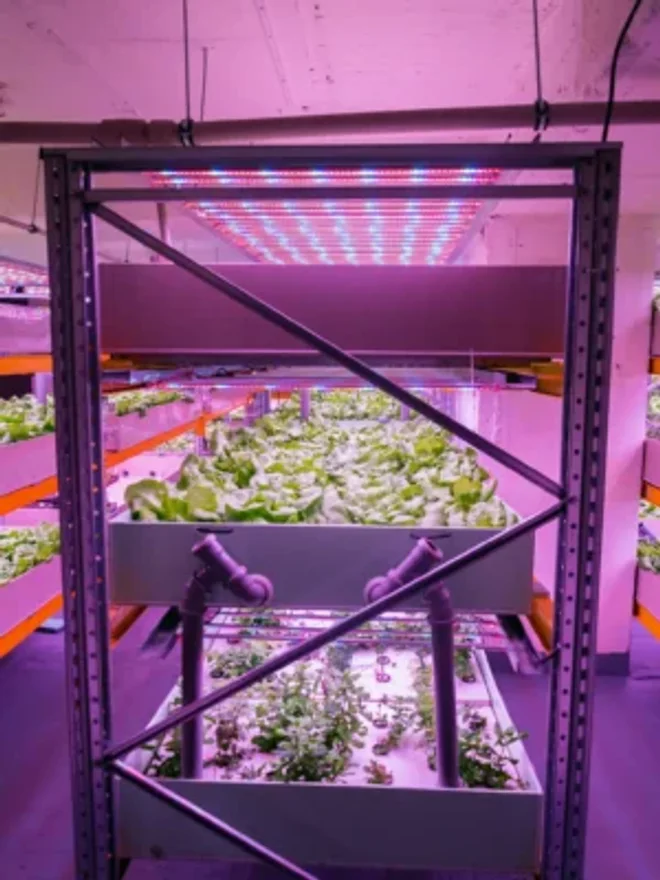 Water Treatment
 DISMART UV and NSMART deployed for safe recirculation in high-value crop production. 40% fertiliser cost recovery.
View case study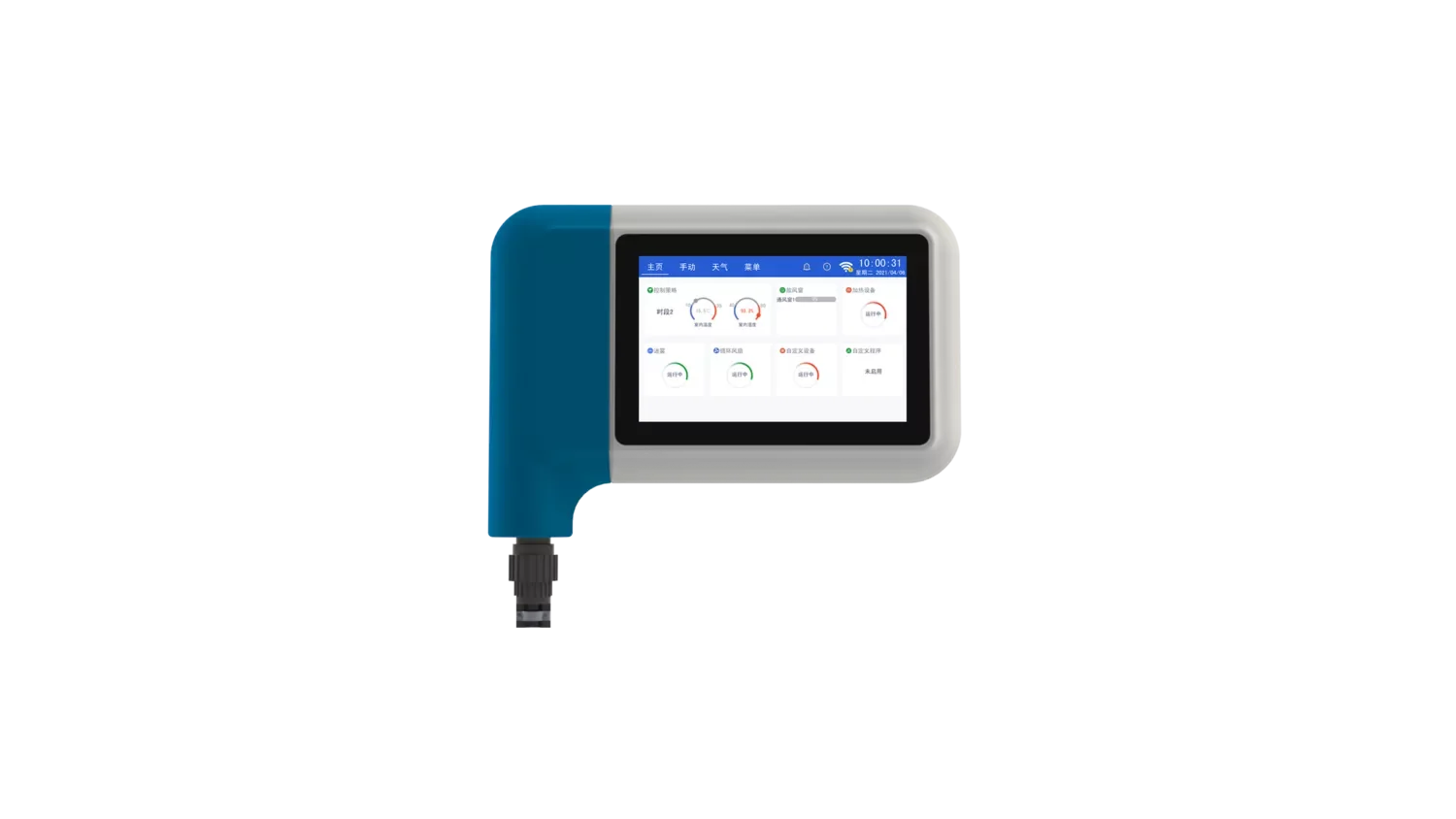 Greenhouse
 Farmnet Platform deployed for centralised greenhouse oversight. Unified alarm handling and performance data across multiple facilities.
View case studyFarmnet systems adapt to hydroponic, aeroponic, and substrate configurations with stable EC and pH across all.
Heating, cooling, lighting, and dehumidification are coordinated through shared control logic to reduce unnecessary consumption.
One platform. One view. Operators manage by exception across every zone and system layer.
Architecture scales from pilot to full commercial production without losing coordination or control integrity.
Define the control architecture for your next project
Tell us about your indoor farming model, scale, and performance goals. We'll define a control architecture that manages climate, light, water, and nutrition as one efficient system.
Talk to an Engineer